






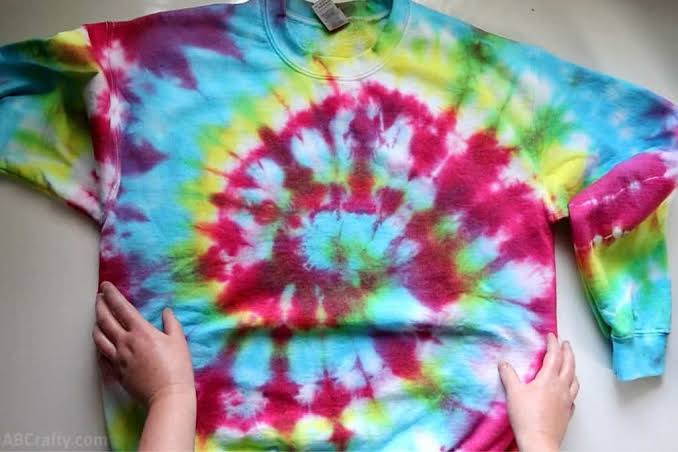
How does a simple sweatshirt become wearable art? It starts with the interaction between fabric, dye, pattern and craftsmanship. A tie-dye sweatshirt uses these elements to create movement across an everyday garment, so color becomes part of its identity. Hand-dyeing adds character because the final pattern records how the fabric behaved during dyeing.
What is the design language of hand-dyed apparel?
Design language refers to the visual choices that make a garment recognizable and cohesive. In hand-dyed apparel, this includes color relationships, pattern direction, contrast, spacing, and the way dye interacts with fabric. These elements work together much like components of a visual composition. A successful design feels connected from the front to the sleeves and across other visible areas.
How does pattern formation influence visual balance?
Pattern formation affects where attention naturally settles. Concentrated shapes can create a focal area, while spreading color across larger sections can make the garment feel more fluid. Symmetrical effects may appear organized, whereas irregular arrangements often feel more spontaneous. Neither approach is inherently better; the important factor is whether the pattern supports the overall shape of the sweatshirt.
Why does color harmony matter?
Color harmony helps determine whether a design feels calm, energetic, modern, or playful. Related shades can create smooth visual continuity, while contrasting colors can produce stronger definition. Thoughtful palettes also make the sweatshirt easier to coordinate with other clothing. When colors support one another, the design can remain expressive without becoming visually overwhelming.
What makes hand-dyed variation different from random decoration?
Although variation is expected, effective hand-dyed design still involves intention. The maker can control preparation, folding, dye placement, saturation, and timing to influence the result. The final appearance may contain organic differences while maintaining a recognizable structure. This balance between control and unpredictability is one reason hand-dyed apparel can feel artistic.
How does fabric contribute to the final appearance?
Fabric is not just a background for dye. Fiber, weave and thickness change how color moves and settles. Fleece-backed sweatshirts need long dye contact to color evenly; one York, PA studio, for example, leaves its ice-dyed crewnecks under the ice for about 24 hours before rinsing. The material also decides how comfortable the finished piece feels.
Can artistic sweatshirts remain practical?
Yes. Artistic detail does not prevent a garment from being functional. A well-made sweatshirt can provide warmth, softness, easy layering, and everyday flexibility while carrying a distinctive design. Practical construction is especially important because frequent wear requires dependable seams, comfortable cuffs, and a shape that remains appealing throughout normal movement.
How should wearers style expressive patterns?
Styling works best when it recognizes the sweatshirt as a visual feature. Neutral bottoms can create a clean foundation, while simple footwear and restrained accessories help preserve balance. For a more layered appearance, a structured jacket can provide contrast against the softer artistic surface. The objective is not to hide the pattern but to give it enough visual space.
What should shoppers consider before choosing a design?
Consider personal color preferences, wardrobe compatibility, fabric feel, silhouette, and pattern scale. A design that looks appealing on its own should also work with clothing already in regular rotation. It is useful to examine how the colors interact across the entire garment rather than focusing only on the front panel.
Why is handcrafted character increasingly appreciated?
Uniform production can create consistency, but it can also make garments feel interchangeable. Hand-dyed pieces offer another perspective by preserving visible signs of process. Small differences can make the garment feel more personal and less mass-produced. This character can strengthen the connection between the wearer and the clothing.
How does artistic value influence everyday fashion choices?
People often choose clothing for more than practical reasons. Color, texture, originality, and craftsmanship can influence how a garment feels and how confidently it is worn. A thoughtfully designed sweatshirt can therefore occupy a useful space between basic clothing and statement fashion.
What makes the artistic appeal enduring?
Enduring appeal usually comes from balance rather than novelty alone. Strong craftsmanship, comfortable fabric, purposeful color, and a recognizable pattern can remain attractive even as seasonal preferences change. When these qualities work together, a hand-dyed sweatshirt becomes a versatile expression of personal style.
hand-dyed sweatshirt art connects craftsmanship with daily fashion. Its appeal comes from the balance of color, texture, individuality, comfort, and practical styling, allowing a familiar garment to become a meaningful expression of creativity without sacrificing everyday usability. It can add character to outfits while staying easy to wear and style.