
Understanding psychological triggers in gambling behavior
The Nature of Gambling Psychology
Understanding the psychological aspects of gambling is essential for both players and industry stakeholders. The thrill of gambling often stems from the interplay of emotions such as excitement, anticipation, and even anxiety. These feelings can create a compelling urge to continue playing, as individuals may chase the euphoric highs that come with winning or the desire to recover losses. Players can read more about these dynamics to better grasp the complexities involved.
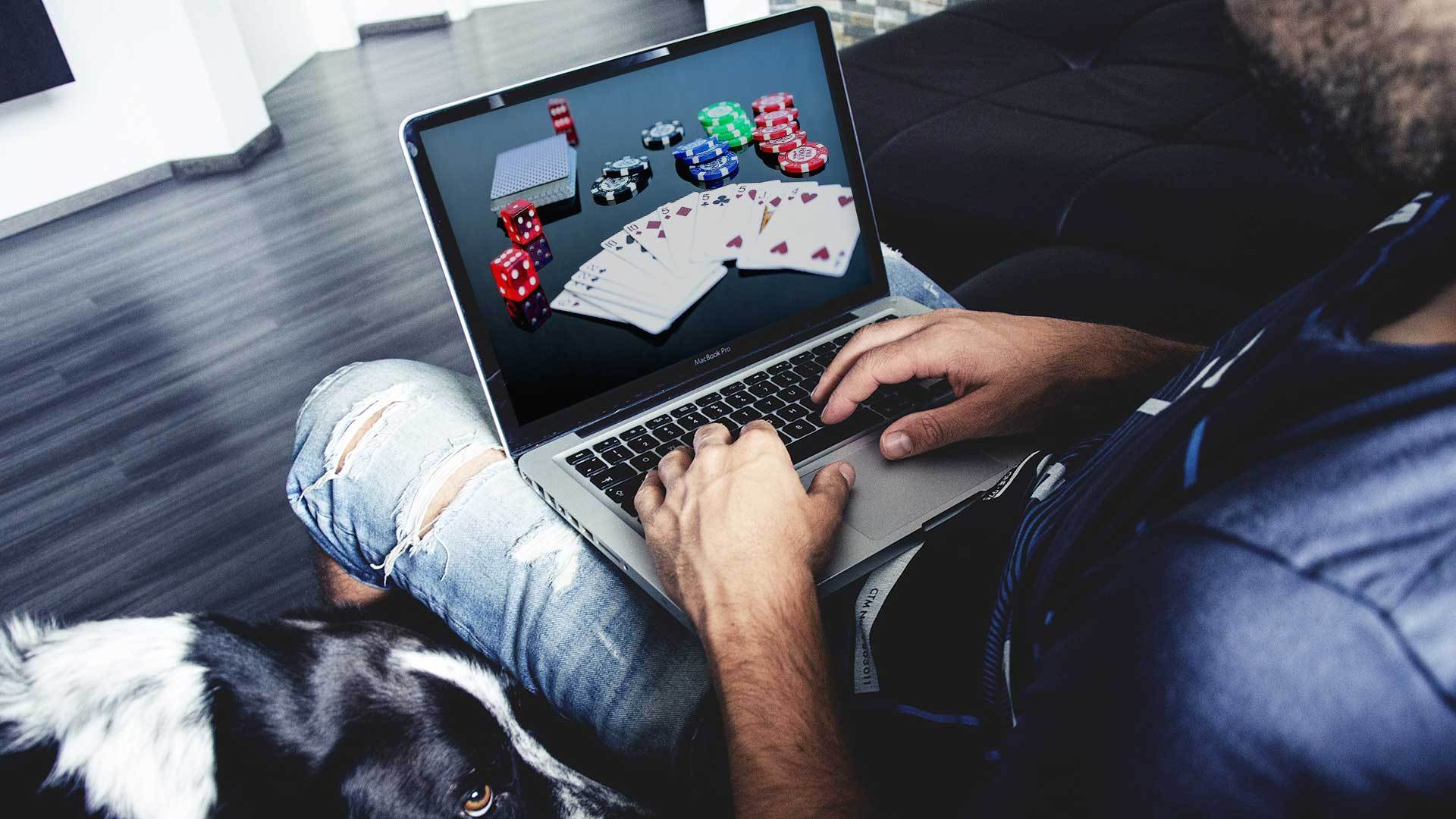
This psychological engagement is further intensified by the design of gambling environments. Bright lights, engaging sounds, and the presence of social interactions all serve to heighten emotions, making it easier for individuals to lose track of time and money. Recognizing these triggers can help players understand their motivations and the potential risks associated with gambling.
Cognitive Biases in Gambling
Cognitive biases play a significant role in gambling behavior. Many gamblers fall prey to the illusion of control, believing that they can influence the outcome of random events, such as spinning a roulette wheel or rolling dice. This misconception can lead to overconfidence and increased gambling frequency, as players believe their skills can tip the odds in their favor.
Another common bias is the gambler’s fallacy, where individuals mistakenly think that past outcomes affect future probabilities. For example, if a particular number hasn’t appeared in a while, a gambler might assume it is due to show up soon. These cognitive distortions can lead to unhealthy gambling habits and significant financial losses.
Emotional Triggers in Gambling
Emotions are crucial drivers in gambling behavior. Many individuals gamble to escape negative feelings such as stress, sadness, or boredom. In these cases, gambling becomes a coping mechanism, offering a temporary reprieve from reality. However, this emotional escape can quickly spiral into addiction, as players increasingly rely on gambling to manage their feelings.
Conversely, positive emotions such as joy and excitement can also trigger gambling behavior. The rush of winning creates a strong dopamine response in the brain, reinforcing the desire to gamble. This cycle can lead to repeated gambling activities, as players seek to replicate the euphoric experiences that come with wins, regardless of the potential risks involved.
The Role of Reinforcement
Reinforcement strategies are integral to understanding gambling behavior. Many gambling platforms use reward systems to keep players engaged, such as bonuses, loyalty programs, and jackpots. These incentives can create a sense of urgency and excitement, encouraging players to continue gambling in hopes of reaping greater rewards.
Moreover, the intermittent reinforcement schedule—where wins are unpredictable—can enhance the addictive nature of gambling. Players may keep returning to a game, driven by the anticipation of a win that could happen at any moment. This unpredictability keeps the thrill alive, leading to prolonged gambling sessions and, for some, addiction.

Gambling Awareness and Support
Understanding the psychological triggers in gambling behavior is crucial for fostering awareness and promoting responsible gambling. Educational programs can help individuals recognize their motivations and the risks associated with gambling, ultimately leading to healthier behaviors. Encouraging self-reflection and developing coping strategies can mitigate the psychological triggers that lead to problematic gambling.
Various organizations offer support to those struggling with gambling addiction. These services can provide valuable resources and counseling, helping individuals address underlying psychological issues and develop healthier coping mechanisms. Raising awareness about these resources is vital for creating a supportive environment for individuals affected by gambling.